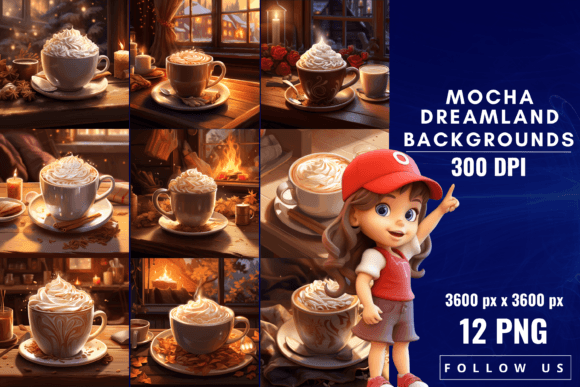
Mocha Dreamland Backgrounds: Aesthetic and Application
In the realm of digital design, the background is often the unsung hero that sets the stage for the entire composition. While typography and layout capture attention, it is the texture and depth behind the text that establish the mood. Mocha Dreamland Backgrounds represent a specific niche in this world, blending the warmth of coffee culture with ethereal, artistic visuals. This collection is not merely about placing a cup of coffee in the corner of a screen; it is about capturing the velvety richness of meticulously brewed mochas and translating that sensory experience into a visual landscape. For designers, marketers, and content creators, understanding how to leverage these specific design assets can transform a standard project into an immersive experience.
The Visual Character of Mocha Dreamscapes
When we talk about the personality of Mocha Dreamland Backgrounds, we are describing a style defined by intricate fluidity and deep, warm tones. These assets typically feature high-resolution imagery that captures the artistry of barista culture—the delicate swirls of steamed milk, the mesmerizing ripples of espresso crema, and the captivating designs created by expert hands. However, the aesthetic goes beyond simple realism. It embraces a "dreamland" quality, where the textures often soften into abstract forms, creating a canvas of delicious creativity.
The visual appeal lies in the contrast between the dark, robust base of the mocha and the lighter, creamy foreground elements. This creates a natural depth of field that designers find incredibly useful. Unlike flat, solid color backgrounds, these images provide a sense of dimension and texture. The "velvety" quality often mentioned in descriptions of these assets refers to the smooth gradients and lack of harsh pixelation, ensuring that the background supports the foreground content without competing for dominance. It is a sophisticated blend of realism and artistic abstraction, suitable for projects that require a touch of warmth and elegance.
Strategic Application: Where Mocha Backgrounds Excel
For creative professionals, the utility of a design asset is defined by its versatility. Mocha Dreamland Backgrounds offer a unique advantage across various sectors, particularly for businesses and creators looking to evoke feelings of comfort, sophistication, and artisanal quality.
In the realm of brand identity and logo design, these backgrounds work exceptionally well for industries related to food and beverage, lifestyle, wellness, and luxury goods. A high-end bakery, a specialty coffee roaster, or a boutique spa could utilize these backdrops to frame their visual assets. The imagery instantly communicates a sensory experience—warmth and aroma—before the viewer even reads a single word of copy. This is a powerful tool in packaging design as well, where the background texture can mimic the tactile quality of the product itself.
For digital marketing and social media graphics, the mocha aesthetic is highly engaging. In the fast-scrolling environment of platforms like Instagram or Pinterest, a rich, textured background can stop the scroll. It provides a sophisticated canvas for quotes, product announcements, or promotional headers. Because the background is inherently "busy" in a soft, organic way, it forces the designer to be intentional with typography. This leads to better visual hierarchy, as text usually needs to be placed in negative space or overlaid with a slight opacity mask to ensure legibility.
Web design is another area where these assets shine, particularly for hero sections or landing pages. A mocha-themed background can set a welcoming tone for a site visitor, suggesting that the content within is curated and high-quality. Similarly, in editorial design, such as digital magazines or blog headers, these backgrounds provide a thematic link that ties written content about lifestyle or food to a cohesive visual narrative.
Technical Considerations and Design Strategy
While the aesthetic appeal of Mocha Dreamland Backgrounds is clear, practical application requires a strategic approach to ensure the final product is professional and readable. The primary challenge with textured, photographic backgrounds is maintaining the legibility of the foreground elements, such as text and icons.
Readability and Contrast: The "frothy beauty" of these backgrounds implies lighter areas, while the "rich aroma" implies darker shadows. When placing text, you must scan the image for "quiet" zones—areas of lower contrast or uniform color. For example, placing white text over a dark espresso shadow creates high contrast, whereas placing it over a swirling milk froth will result in a loss of legibility. A common professional technique is to use a semi-transparent overlay (a "scrim") in a dark or neutral color. This preserves the texture of the mocha background while flattening the contrast enough to support body text.
Font Pairing: The style of the background dictates the style of the typography. Because Mocha Dreamland Backgrounds are organic and fluid, they pair best with typefaces that offer stability or clean geometric lines. A sans serif font with a modern, minimalist structure often works best for body copy, providing a clean reading experience against the complex background. For headlines, a serif font with high contrast or even a sophisticated script font can complement the artisanal feel of the coffee art, provided it is used sparingly and sized appropriately. Avoid overly decorative or handwritten fonts for long sentences, as the background already provides enough visual interest.
Evaluating Assets for Commercial Use
When selecting Mocha Dreamland Backgrounds for a project, whether free or premium, several factors determine their suitability for professional use.
- Resolution and Scalability: High-resolution imagery is non-negotiable for print work, such as menus, flyers, or packaging. Ensure the assets are large enough to be cropped or scaled without losing the intricate details of the swirls and textures.
- Licensing: Always review the licensing terms. For commercial projects—logos, merchandise, or client work—you must ensure the license permits commercial use. "Free for personal use" does not cover business applications. Look for assets that explicitly allow for commercial font and image usage.
- Color Grading: Assess the color temperature. Some mocha backgrounds may lean towards cool greys, while others embrace warm browns and creams. Choose a background that aligns with your existing brand identity color palette to ensure consistency across all touchpoints.
- Composition: Look at the "negative space" within the image. A background that is entirely covered in intricate swirls is harder to work with than one that has a dedicated area of depth or shadow for text placement.
Ultimately, Mocha Dreamland Backgrounds serve as a bridge between visual design and sensory experience. By treating these assets not just as wallpapers but as foundational elements of a design strategy, creators can infuse their work with a level of warmth and sophistication that resonates with audiences seeking comfort and quality in the digital landscape.